Are Tier on Tier Shutters Right for You? Pros, Cons and Alternatives
Tier on tier is one of our most popular shutter styles, but it isn’t the right choice for every window or every room. This guide is for anyone weighing it up: what it does well, where it falls short, and how it compares with full height and café style shutters. For the full overview of the style, including materials, colours and a gallery, see our tier on tier shutters page.
How tier on tier shutters work?
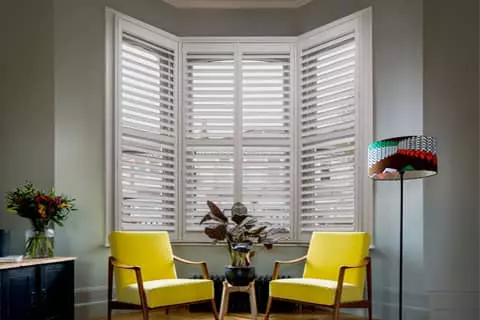
Tier on tier shutters have two sets of panels in a single frame, one above the other. Each tier has its own louvres and can be opened or tilted on its own, so you can let light in from the top while keeping the lower half closed for privacy.

Where tier on tier shutters work well
- Tall windows, such as sash and bay windows. There’s enough height for two useful sections, which is where independent control makes the most difference.
- Street-facing rooms. You can keep the lower half closed for privacy and let daylight in through the top.
- Living rooms and home offices. Light needs change through the day, and two tiers let you adjust to suit.
When another style may suit you better
- Bedrooms where you need full darkness. There is a small gap between the two tiers. It’s needed so the panels keep operating smoothly over the years, but it can let a little light through, which matters to light sleepers. If you’d still like tier on tier in a bedroom, room darkening blinds can be built into the shutter framing and pulled down behind the panels to block it.
- Small windows. We tend to advise against tier on tier for particularly small windows, where there isn’t enough height to divide sensibly.
- If you want as little framing as possible. The join between the tiers adds a horizontal rail across the window. If you prefer fewer lines, a different style will look cleaner.

Tier on tier vs full height vs café style
- Full height: a single panel from top to bottom, which can include a divider rail or a hidden break. It gives the cleanest look and the best room darkening, so it suits bedrooms and nurseries. Read more about full height shutters.
- Tier on tier: covers the full height, but the top and bottom tiers work independently. It gives you the most flexibility over light and privacy.
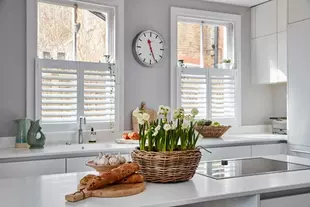
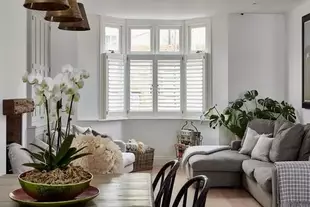
- Café style: covers the lower half of the window only, keeping privacy at eye level and leaving the upper part open to the light. It works well in kitchens and street-facing rooms. Read more about café style shutters.
Already have café style shutters? If we installed them, we can often add a top tier. See how to add a top tier to café style shutters.
Still not sure which style suits your windows? Book a survey and one of our surveyors will visit with samples, measure up and talk you through the options in your own home, or get a pre-quote by sending us a few measurements.