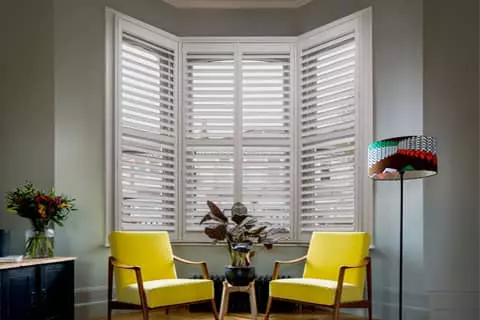
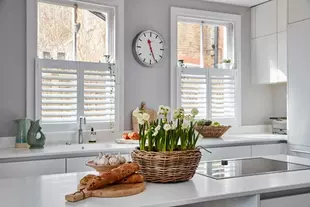
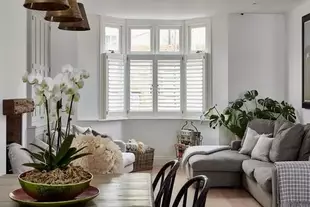
When you’re planning new window shutters, one of the first decisions you’ll face isn’t colour or louvre size, it’s material. Basswood and PVC are the two most popular choices for plantation shutters in the UK, and each has genuine strengths. Get the material right and your shutters will look great and perform well for decades. Get it wrong and you could end up with warping, staining, or shutters that simply don’t suit the room they’re in.
In this guide, we break down the differences between basswood and PVC shutters so you can choose with confidence.


What Are Basswood Shutters?
Basswood is a lightweight hardwood, prized in shutter-making for being strong yet easy to shape without becoming heavy or brittle. It has a fine, even grain, which means it takes paint and stain beautifully and gives a smooth, premium finish.
Best suited to:
- Living rooms, bedrooms, and hallways
- Larger windows and bay windows, where a lighter material reduces strain on hinges and frames
- Homeowners who want a classic, high-end look with painted or stained finishes
What Are PVC Shutters?
PVC window shutters are made from a durable, moisture-resistant synthetic material. They’re built to withstand humidity, condensation, and temperature changes without warping, cracking, or discolouring, making them a practical, hard-wearing choice for rooms where wood struggles.
Best suited to:
- Bathrooms, kitchens, and utility rooms
- Homes with young children or pets, thanks to their resilience


Basswood vs PVC: Key Differences
1. Moisture Resistance
This is the biggest deciding factor for most homeowners. PVC shutters are naturally waterproof, so they’re the clear winner for bathrooms, en-suites, and kitchens where steam and splashes are a daily occurrence. Basswood, being a natural timber, can absorb moisture over time, which may lead to warping or swelling in consistently humid rooms.
2. Durability and Strength
Both materials are built to last, but they’re durable in different ways. Basswood is strong for its weight and holds its shape well when properly finished, but it’s not immune to moisture damage. PVC is virtually impervious to damp, making it a good choice for busy households.
3. Weight and Window Suitability
Basswood’s light weight makes it a better option for wide panels, bi-fold shutters, and bay windows, where heavier materials can put extra strain on hinges and frames. PVC is denser, so very large PVC panels may need extra support or a different configuration.
Basswood’s light weight makes it a better option for wide panels, bi-fold shutters, and bay windows, where heavier materials can put extra strain on hinges and frames. This matters even more where bay posts are involved — PVC simply isn’t suitable for use with bay posts, so basswood is the material of choice for a bay window shutter configuration that needs them.
4. Window Shutter Cost
We offer a range of shutter materials and price points, so there’s an option to suit different budgets and requirements. Our PVC shutters include a more affordable, mid-range option, which can be a great choice when you’re looking to fit shutters throughout the whole house. Our Faux wood PVC shutter, which sits at a higher price point but has a much shorter lead time, making it ideal if speed is a priority.
For those looking for a more natural finish, we offer three hardwood options, each with its own characteristics and price point. The choice is often more about the look and characteristics you prefer rather than a significant difference in cost. This gives you the flexibility to choose a material based on budget, design and lead time, whether you’re furnishing one room or installing shutters throughout your home. –> Get your free quote here
6. Lead Time
Lead time is worth factoring in alongside cost. Standard PVC shutters tend to be quicker to produce, while faux wood PVC — with its closer-to-timber finish — typically has a longer lead time of around 4-6 weeks, reflecting the extra cost and finishing involved. It’s worth checking lead times upfront if you’re working to a deadline, whichever material you choose.

| Feature | Basswood | PVC |
|---|---|---|
| Moisture resistance | Not recommended | Excellent |
| Natural appearance | Excellent | Good |
| Weight | Lighter | Heavier |
| Best rooms | Living rooms, bedrooms | Bathrooms, kitchens |
So, Which Should You Choose?
There’s no single “better” material – it depends on the room, the window, and what matters most to you.
- Choose basswood if you want the most natural, premium look for your living room, bedroom, bay or a sash window, and you’re not fitting shutters in a consistently damp environment.
- Choose PVC if practicality and moisture resistance are the priority — particularly in bathrooms, kitchens, or busy family homes and you’re looking for white shutters.
Many of our customers actually mix the two: basswood plantation shutters through the main living areas and on sash windows for that classic, high-end finish, and PVC window shutters in the bathroom, kitchen, or Velux windows where moisture resistance matters most. This gives you the best of both worlds without compromising on look or performance anywhere in the house.
Get Expert Advice for Your Plantation Shutters
Choosing between basswood and PVC plantation shutters is easier with a proper look at your windows, room conditions, and style preferences — especially if you’re fitting shutters for sash windows or shutters for Velux windows, where the right material makes a real difference. As an all in-house shutter fitting company, we measure and install every shutter ourselves, so we can advise honestly on which material will perform best in each room of your home, with no subcontractors and no guesswork.
Get in touch today for a free, no-obligation quote and expert advice on the right plantation shutters for your home.
Your Trusted Shutter Experts since 1982.